

News Articles on The Dangers Of Formaldehyde
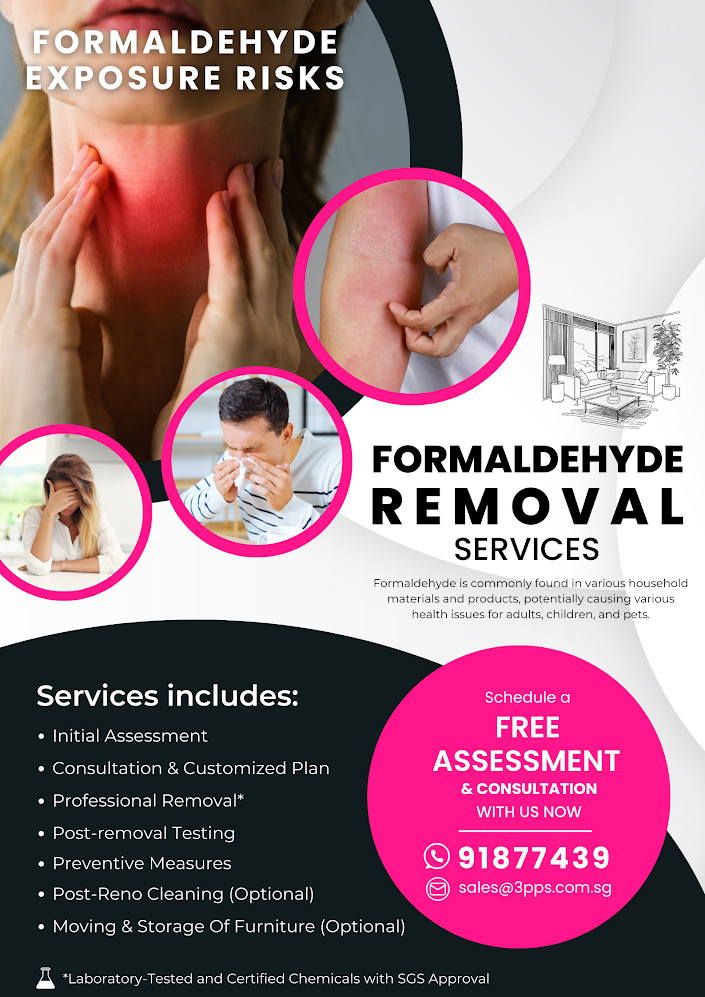
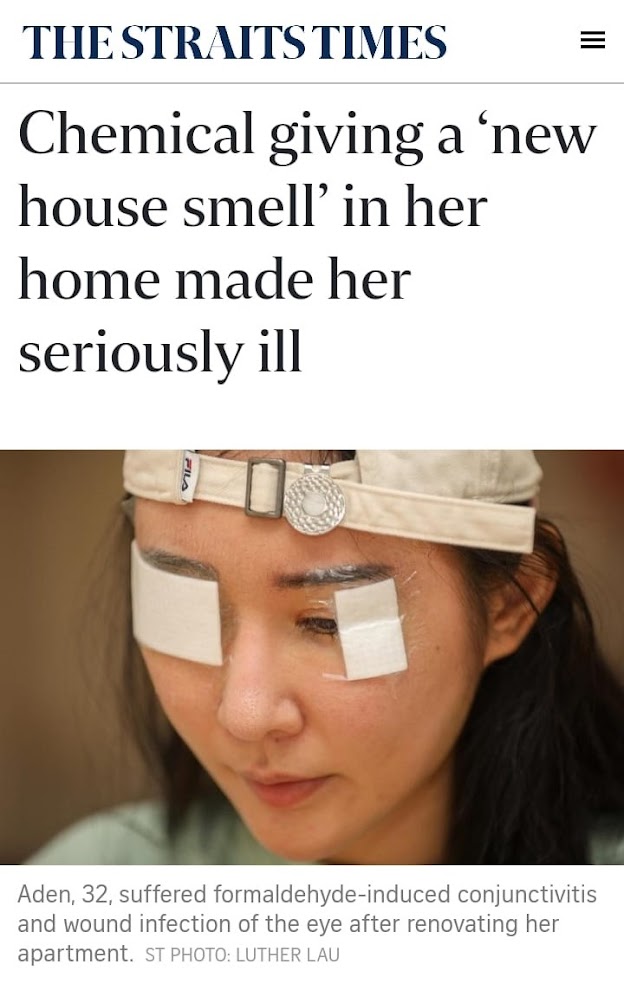
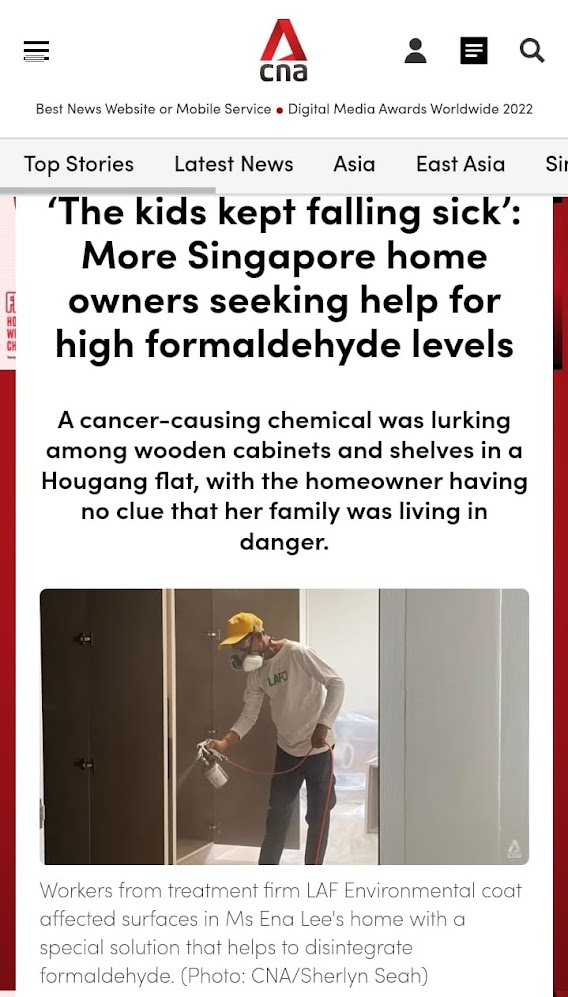
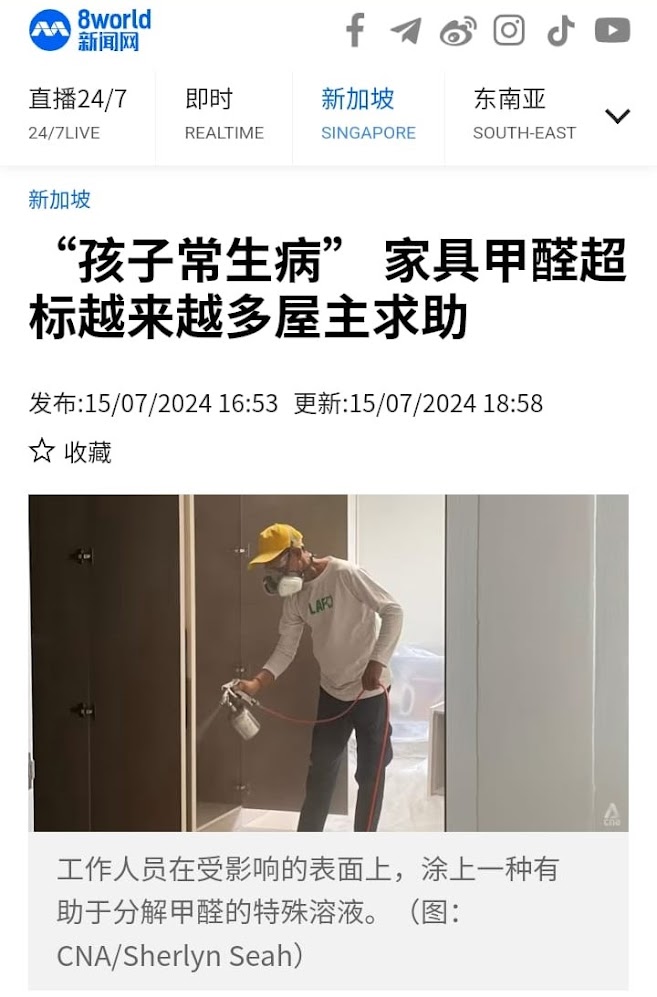
Formaldehyde in home furniture has raised health concerns due to its potential risks. News reports highlight that exposure to this chemical, common in pressed wood and adhesives, can cause respiratory problems, skin irritation and even cancer.

FAQ
How do I schedule a formaldehyde removal service?
You can schedule a service by reaching out to us. We’ll arrange a FREE no-obligation initial assessment of formaldehyde levels and a consultation at your location. If you choose to move forward after the assessment, we will provide a detailed, customized plan and coordinate with you to set a date for the job execution.
How much does formaldehyde removal cost?
The cost varies based on the size of the area and the extent of contamination. Contact us for a customized quote after an initial FREE no-obligation assessment
How effective is formaldehyde removal and will it return after removal?
Our services can greatly reduce formaldehyde levels in your home, depending on the extent of contamination and the sources. We also conduct post-treatment testing to verify the effectiveness of our process. If new materials or products containing formaldehyde are introduced, levels may increase again. Regular monitoring and proper ventilation are key to maintaining low formaldehyde levels.
Do I need to leave my home during the removal process?
In most cases, it’s recommended to vacate the premises during the treatment to ensure safety and efficiency. However, for some lower-level treatments, you may be able to stay in the home.
How long does the formaldehyde removal process take and is it safe?
The process’s duration depends on the area’s size and the extent of contamination. Typically, it can take anywhere from a few hours to a few days. The treatment is safe for all occupants, including pets and children, as we use non-toxic, eco-friendly methods to maintain a safe environment throughout and after the process.
How does the formaldehyde removal process work?
The process typically involves identifying the sources of formaldehyde and using specialized equipment to remove it from the air and surfaces.
How do I know if my home has formaldehyde?
Formaldehyde is often present in homes with new furniture, flooring, or other building materials. Signs include a strong chemical odor and symptoms like eye irritation, headaches, or respiratory issues. Professional testing can confirm its presence.
What is formaldehyde, and why is it harmful?
Formaldehyde is a colorless, strong-smelling chemical commonly used in building materials and household products. It can cause various health issues, including eye, nose, and throat irritation, headaches, and respiratory problems. Long-term exposure may increase the risk of cancer.